History of Graphic Design
Before constituting an art of selling, graphic design was an art of uniting, dominating, sometimes intimidating.

Before constituting an art of selling, graphic design was an art of uniting, dominating, sometimes intimidating.
From Roman shields to medieval blazons, revolutionary flags to twentieth-century military insignia, each symbol, color, and form conveyed a message: “We are united,” “We are powerful,” “We are different.” These visual signs already carried the functions attributed today to graphic design: identity, messaging, strategy.
Today, I propose a journey through the history of graphic design. Constituting the genuine foundation of all visual activity and commercial experience, it serves equally to reinforce the brand image of an entity or social collective and to orient our manner of perceiving, classifying, and judging our surroundings.
In this article, we will discover major artistic movements that not only shaped the history of graphic design but continue inspiring contemporary creators.
Arts and Crafts
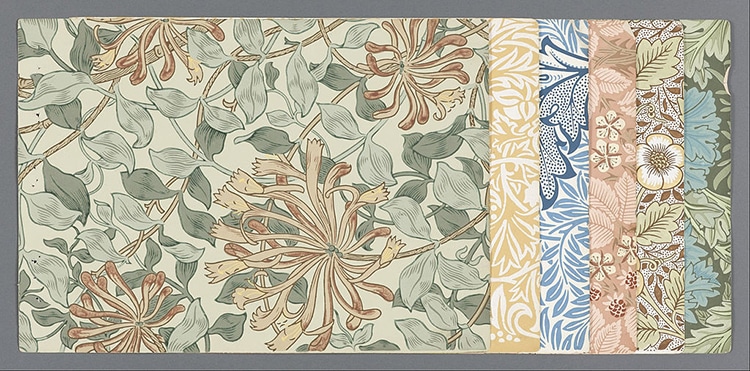
The Arts & Crafts movement, born in the 1860s in the United Kingdom, was a direct reaction against mechanization and mass production brought by the Industrial Revolution.
Its objective was to rehabilitate artisanal work, material quality, handmade object beauty, and unity between the artist, artisan, and object.
Today, this current reflects in minimalism, handmade and home-based work, as well as in the utilization of local, ecological, and durable materials.
Art Nouveau
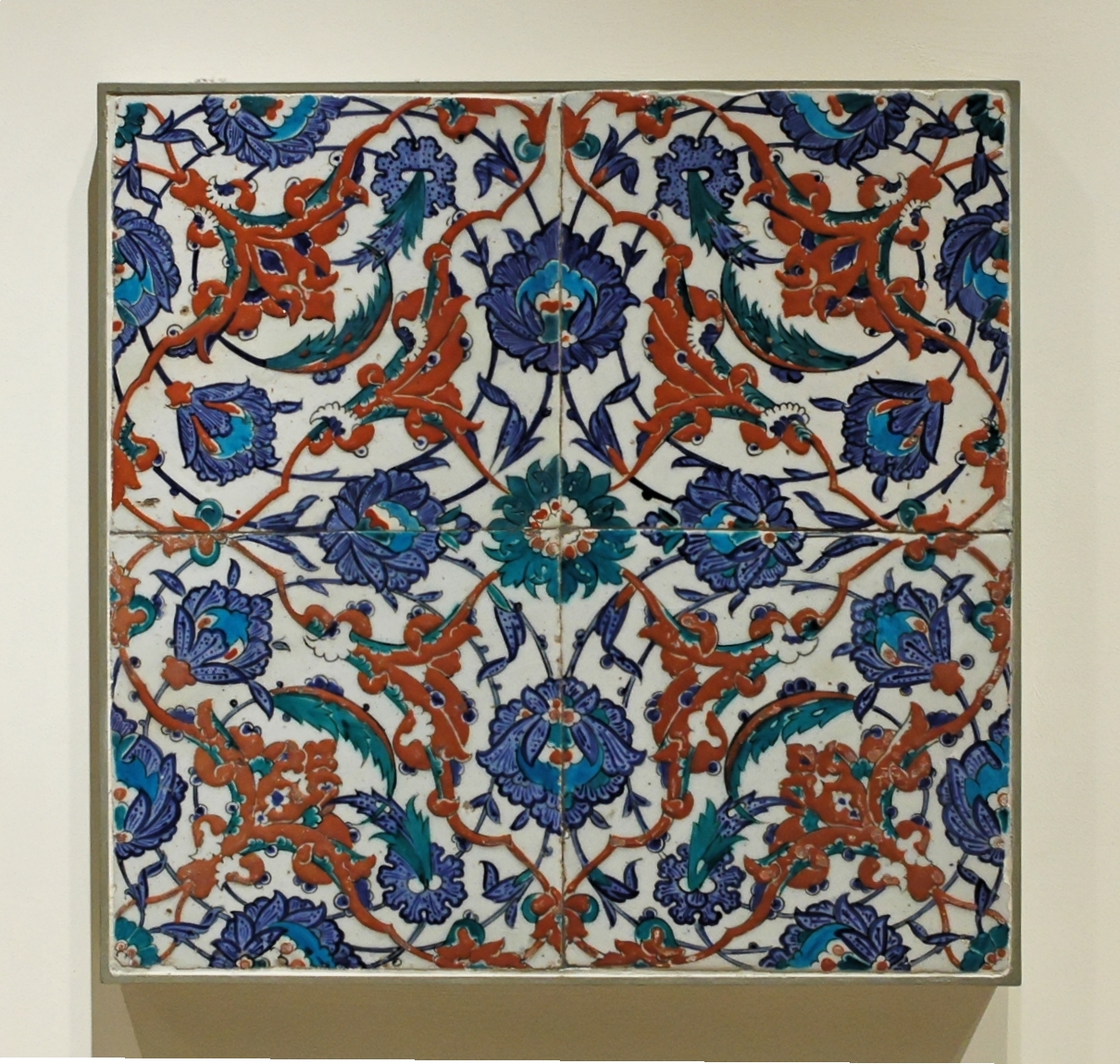
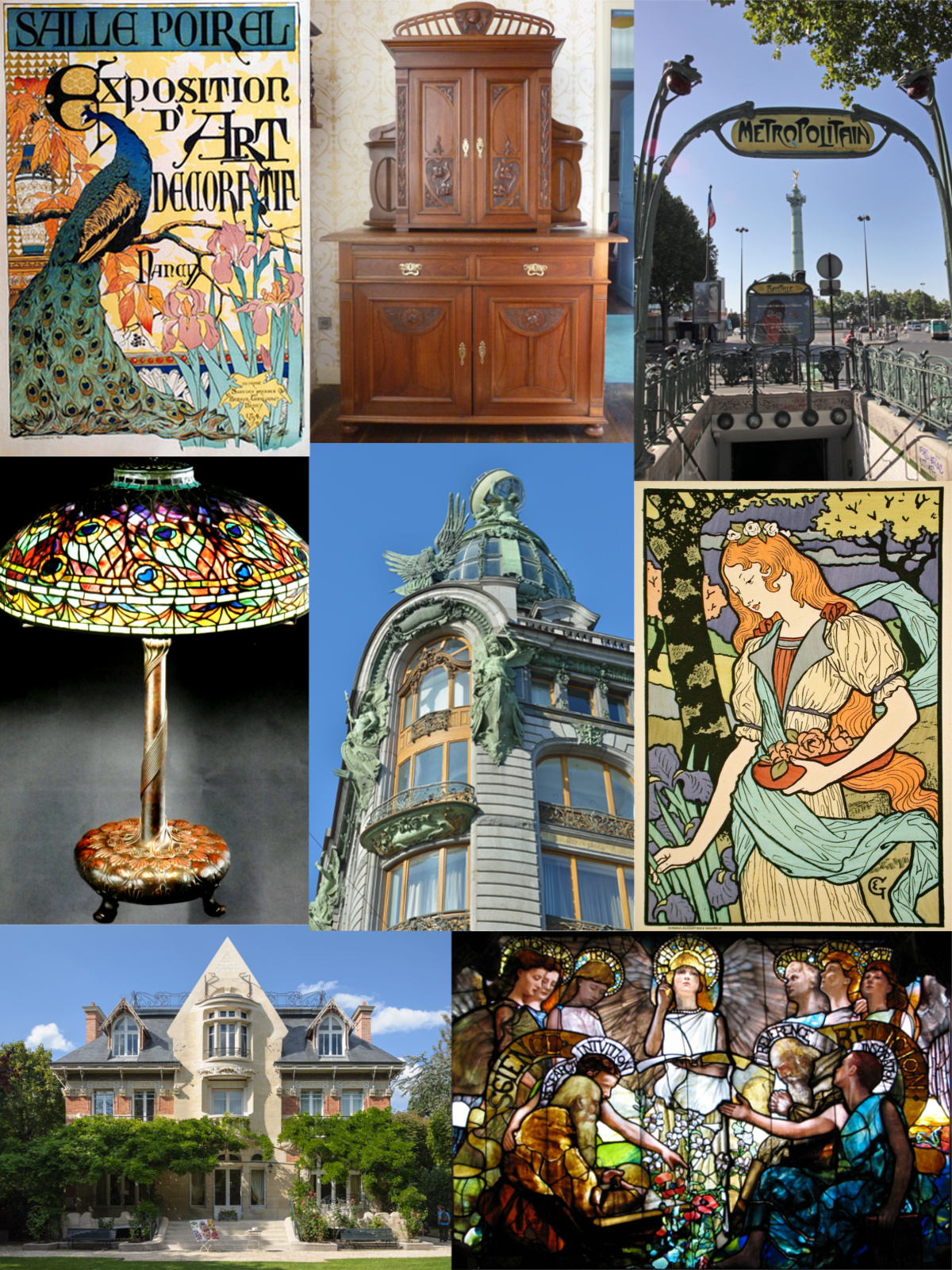
Art Nouveau is an artistic movement born at the end of the nineteenth century, continuing Arts & Crafts while sharing a similar desire to rupture with industrialization and academic reproduction of ancient styles.
It is characterized by the usage of floral motifs, organic forms, and curved lines, translating a harmony research between humans, nature, and art. This style aimed to integrate art into daily life, rendering beautiful and expressive the most utilitarian objects. In collective imagination, Art Nouveau embodies the momentum of modernity and the flourishing of a new human, at the dawn of the twentieth century.
Russian Constructivism
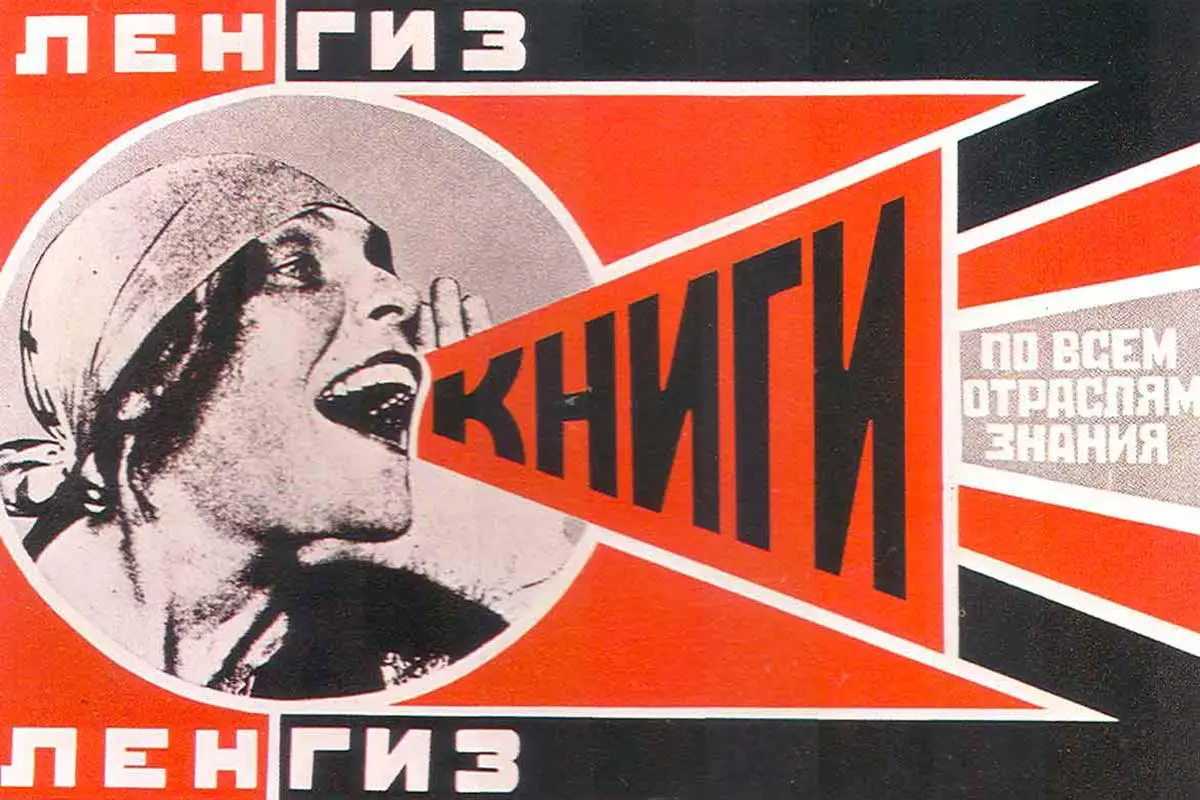
Russian Constructivism is an artistic movement born in the 1910s-1920s in Russia, within the tumultuous context of the October Revolution. Unlike preceding currents, it rejects all forms of figurative or decorative representation, favoring strict geometric forms, clear structure, and functional aesthetics.
This movement considers the artwork as a “constructed object,” a sort of three-dimensional skeleton serving society. It advocates useful art, oriented toward industry, architecture, propaganda, and mass media.
Contemporary Heritage: Brutalist Web Design
The aesthetics of Russian Constructivism profoundly influenced what is called today brutalist design, particularly visible on certain contemporary websites (my site).
This brutalist style, like Constructivism, rejects dominant aesthetic conventions, and privileges radical, functional, and unadorned choices:
- very marked typography,
- rigid blocks,
- frank colors,
- absence of “classical” information hierarchization,
- and sometimes deliberately disconcerting navigation.
Objective: shocking, interpellating, freeing from “smooth web” to propose a raw and assumed experience, almost militant.
Bauhaus
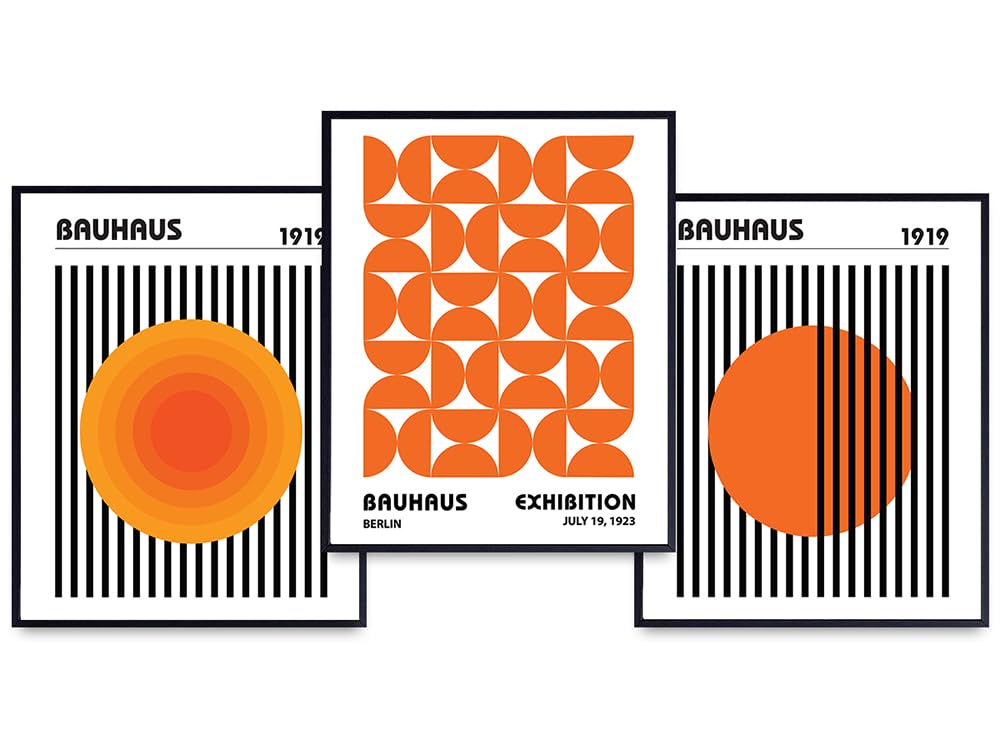
Bauhaus is an artistic movement and design school founded in 1919 in Weimar, Germany, by architect Walter Gropius. It is often considered the foundation of modern design, at the crossroads of art, architecture, and industry.
Objective
Bauhaus’s principal concept was reconciling art and craftsmanship in an era dominated by industrialization. Rather than opposing the two, Bauhaus sought to unify them to create objects that were simultaneously functional, aesthetic, and accessible to the greatest number.
“Form follows function” became one of their key principles.
Characteristics
- Simple geometric forms
- Primary colors
- Absence of ornamentation
- Priority to usage rather than decoration
- Everyday object conception (furniture, posters, buildings)
Heritage
Bauhaus influenced graphic design, architecture, typography, and even urban planning. Today, we find its spirit in minimalist interfaces, geometric fonts, simple logos, or even IKEA furniture.
International Style (Swiss Style)

The International Style, also called Swiss Style, is a graphic current born in Switzerland in the 1950s. It inherits Bauhaus principles and distinguishes itself through a rigorous, functional, and minimalist design approach.
This style relies on grid usage, sans-serif typography (such as Helvetica), and clear visual hierarchy. The objective is transmitting information in a neutral, efficient, and readable manner, without superfluous ornamentation.
This current profoundly influenced editorial design, modern posters, signage, and later, web design and digital interfaces.
Key Elements:
- Page layout grid
- Sans-serif typography (Helvetica, Univers…)
- Simplicity, clarity, hierarchy
- Geometric forms
- Balance between text and image
Pop Art
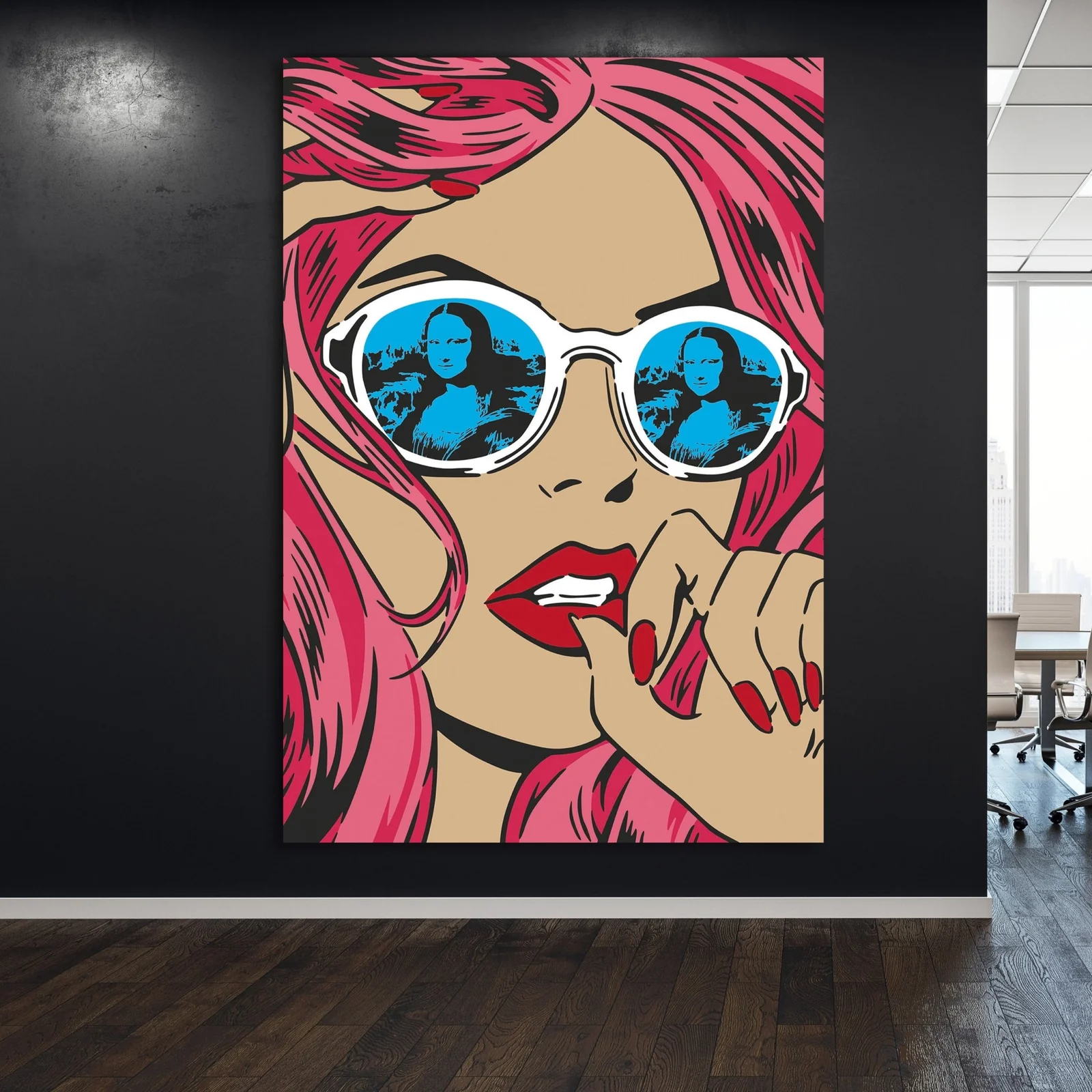
Pop Art is recognized by its vivid colors, simple forms, and usage of popular images such as those from advertising, packaging, or comics.
It breaks codes by utilizing everyday elements to create accessible and impactful art.
Today, we find its influence in graphic design, advertising, or social networks, where strong and direct images are central to communication.
Postmodernism
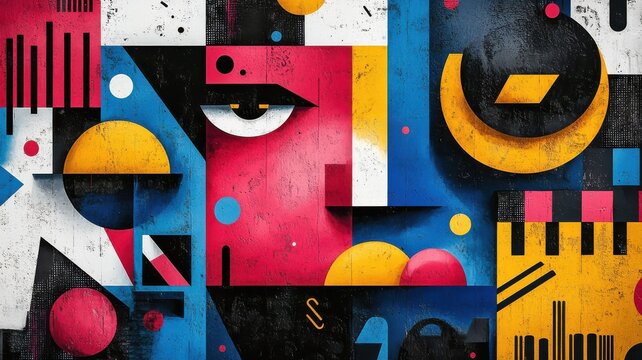
Postmodernism appears around the 1970s, as a reaction to modernism and its excessively strict, cold, and sometimes judged overly serious forms.
It breaks rules: mixing styles, playing with colors, revisiting the past while adding a humorous or offbeat touch. It is a current refusing to follow a single path.
In architecture, design, or graphic design, postmodernism questions the concept of “good taste” and valorizes freedom of expression, even if it shocks or surprises.
Today, we still see traces in original, colorful, and unexpected creations mixing eras and influences.
Summary
- Arts & Crafts (1860s):
Return to handmade, reaction against industrialization. - Art Nouveau (late 19th – early 20th):
Curved lines, nature, harmony - Russian Constructivism (1910s–1920s):
Geometric forms, visual propaganda. - Bauhaus (1919–1933):
Functionality, simplicity, art and industry union. - International Style (1920s–1980s):
Modern architecture, steel, glass, refinement. - Swiss Typographic Style / Swiss Style (1950s):
Grid, clear typography, Helvetica, major influence in graphic design. - Pop Art (1950s–1970s):
Vivid colors, mass culture, Andy Warhol. - Postmodernism (1970s–1990s):
Rupture with modernism, style mixing.
From artisanal work to digital creations, graphic design has ceaselessly evolved to reflect its era. Each movement recounts a history, reveals a worldview, and still influences today our manner of communicating. Understanding this history helps us better grasp current challenges and imagine design’s future, always in quest of innovation and meaning.